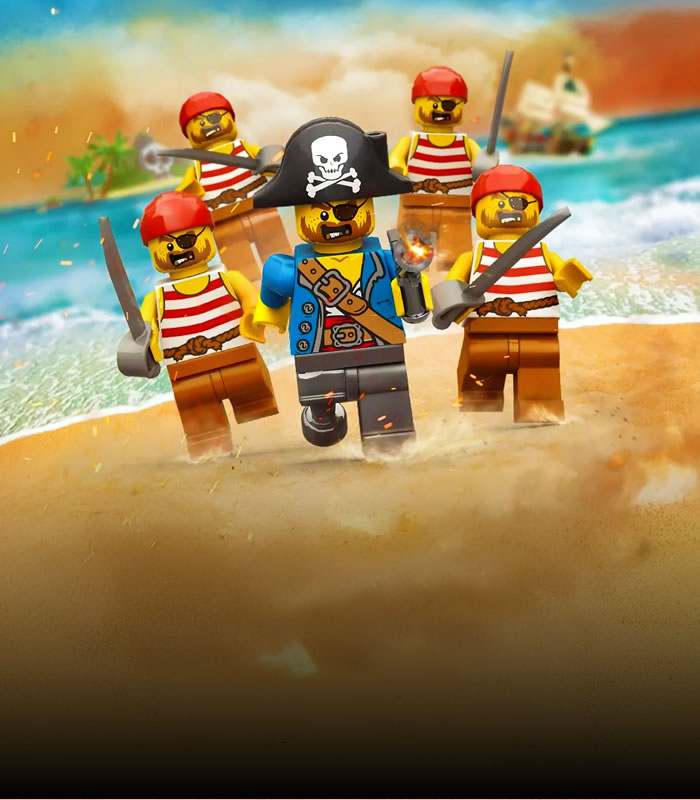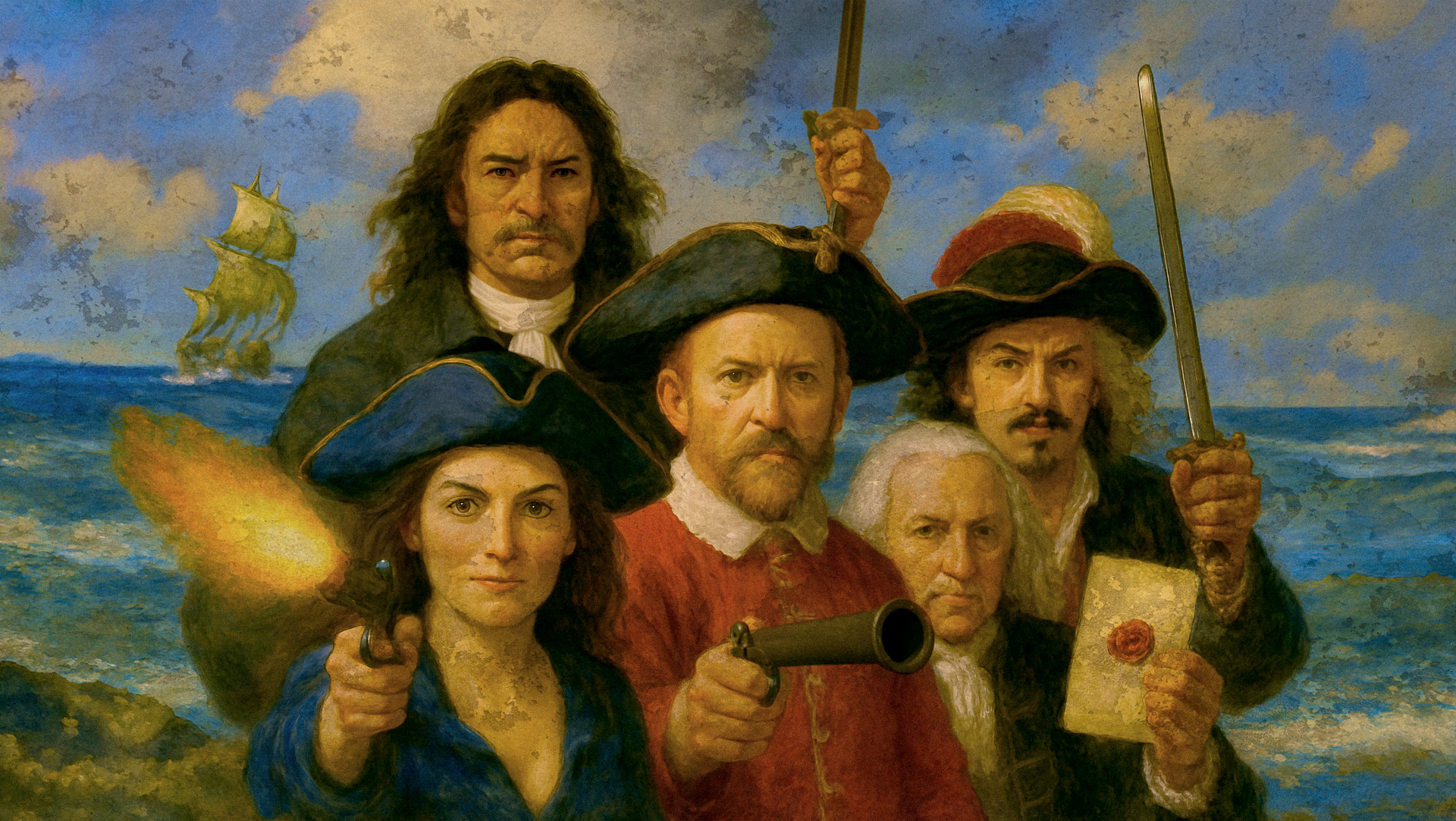
Plenty of famous historical figures sailed under letters of marque, but many blurred the line between pirate and privateer!
Some switched sides depending upon who was lining their coffers while others merely flew the banner of privateer as a disguise.
So let’s explore them scoundrels whose careers strayed beyond honourable seafaring…
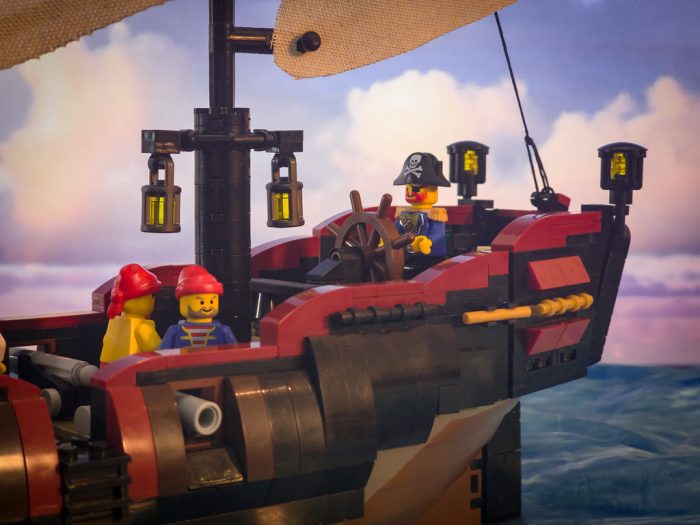
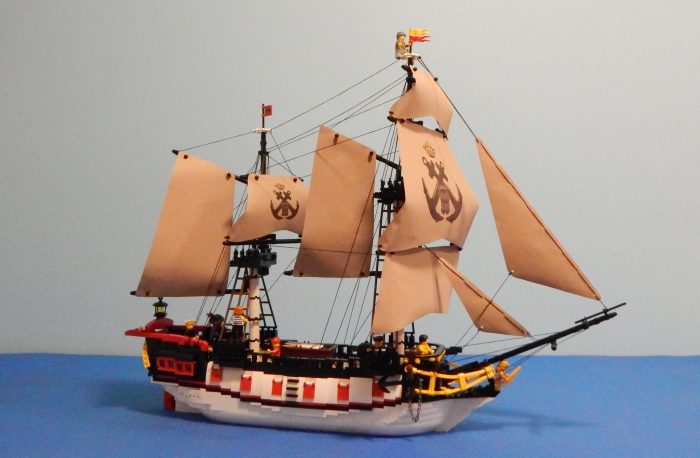
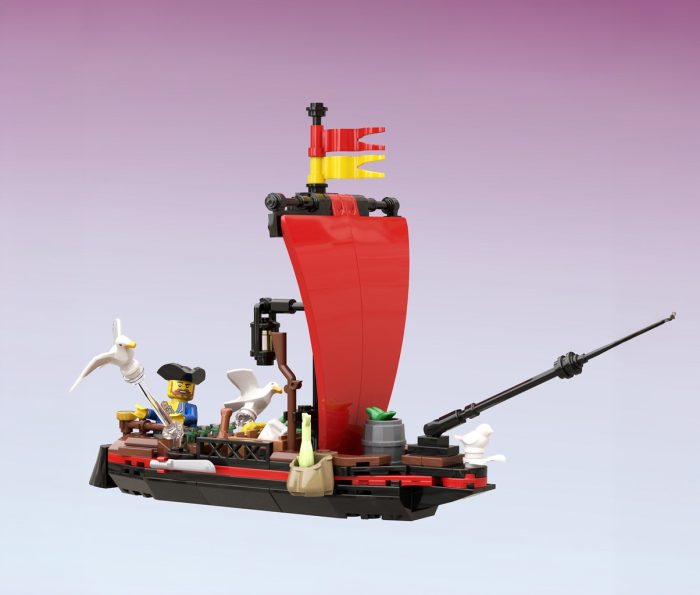
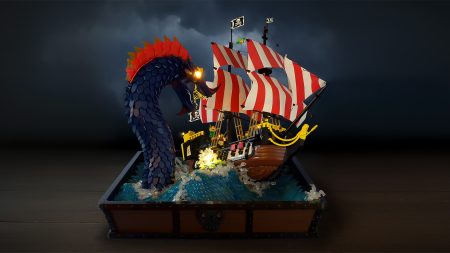
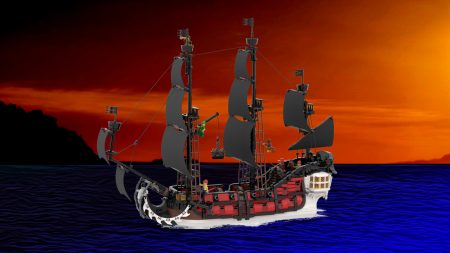
910059 Privateer Frigate Fortuna
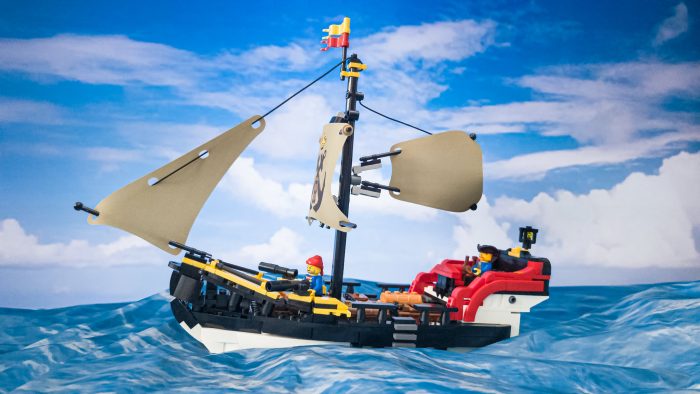
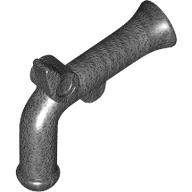
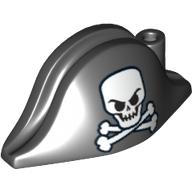
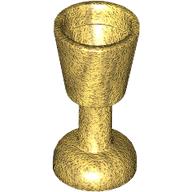
With the official introduction of privateers to the LEGO Pirate theme thanks to the Privateer Frigate Fortuna, it’s Classic Pirate’s duty to ensure yer posses a solid understanding of how they differ from regular pirates.
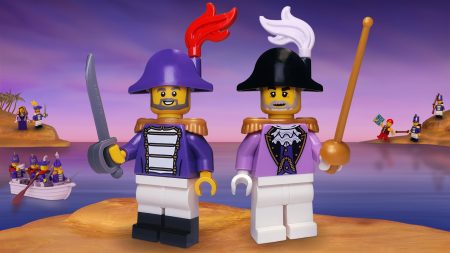
If ain’t already done so, acquaint yerself with the Unpredictable Privateers and then continue this voyage of discovery…
What be a Privateer?
A privateer is essentially a government‑approved pirate — a privately owned ship (or its crew) granted legal permission to attack enemy vessels during wartime.
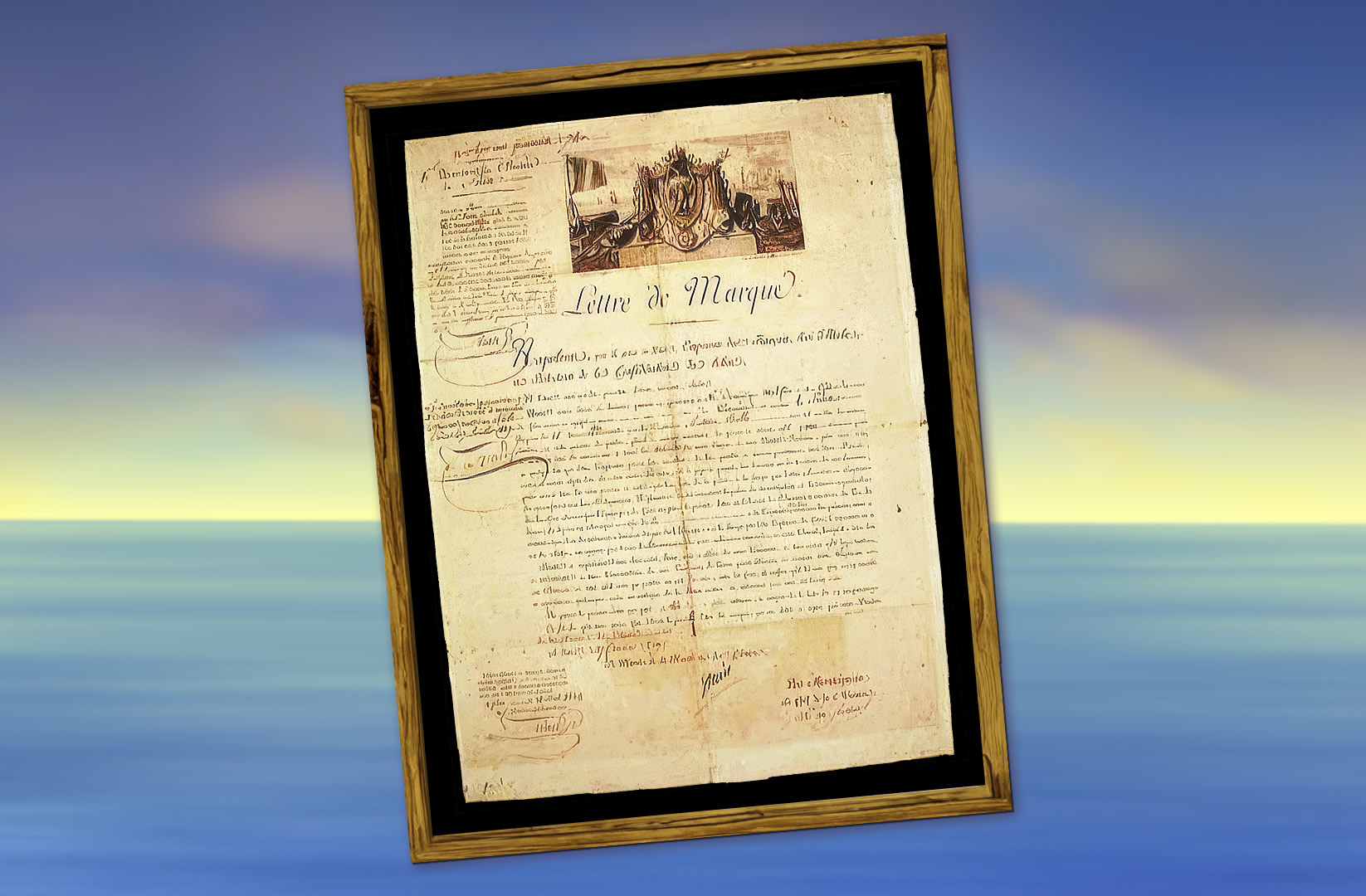
A Letter of Marque issued to French privateer, Captain Antoine Bollo
Privateers operated under a letter of marque, an official license from a sovereign nation or authority that granted them clemency against charges of piracy. The crown or state officially sanctioned their dastardly actions.
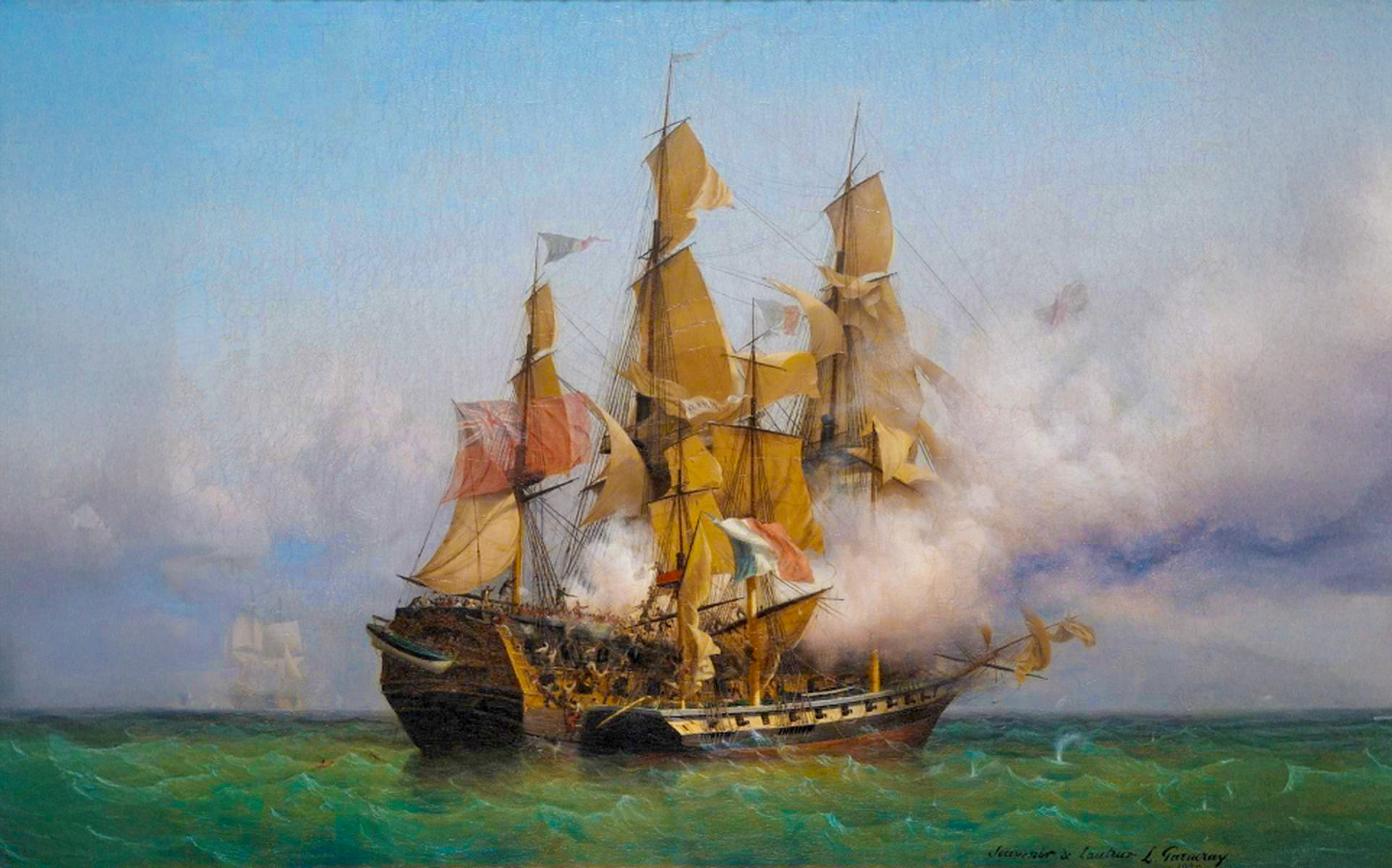
East Indiaman Kent battling privateer ship Confiance by Ambroise Louis Garneray
During the Age of Sail twas common for privateers to conceal their affiliate by sailing under flags of neutral countries… and even cloak themselves in deception by forging false names for their ships to mask their true identity.
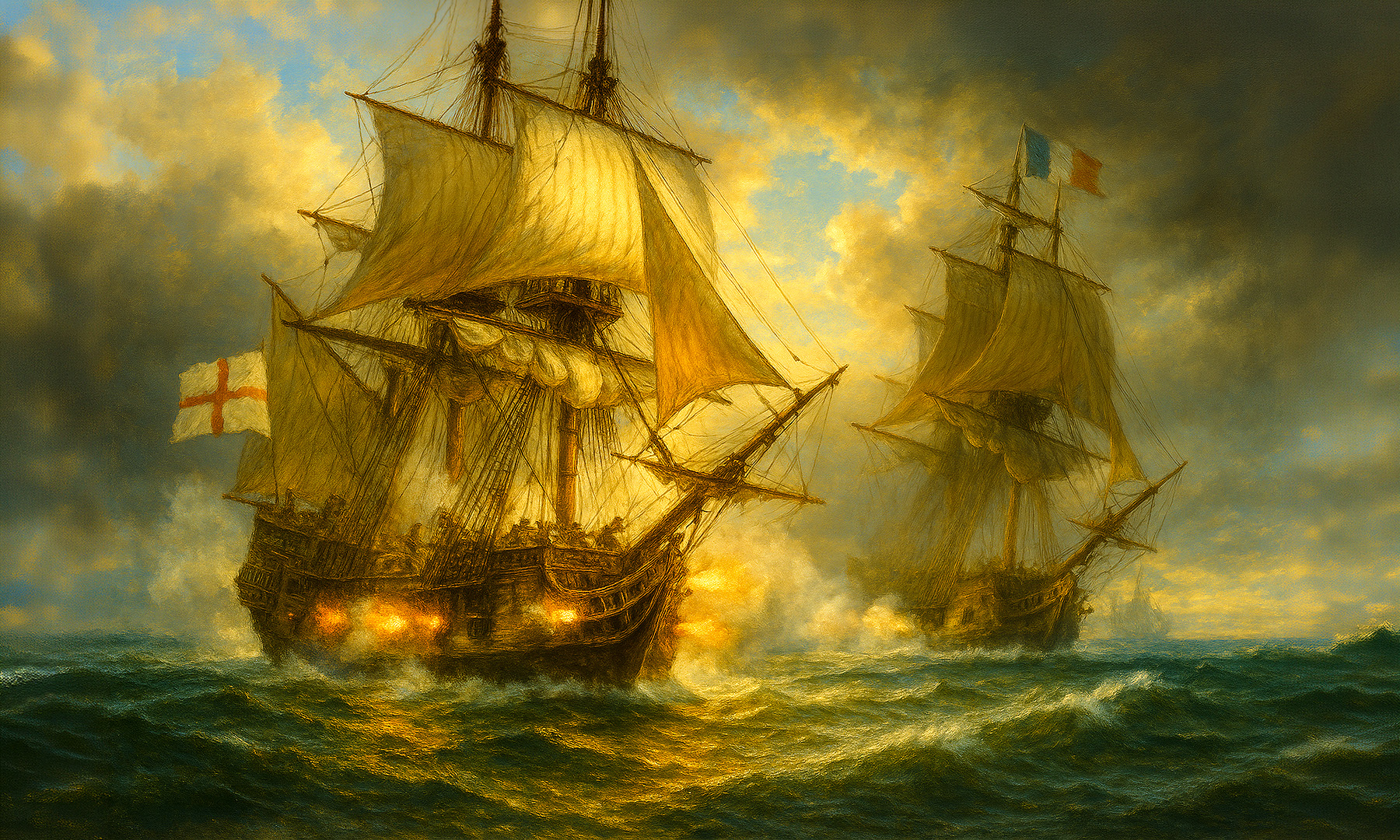
British privateers attacking a French ship
Privateers didn’t just chase glory — they also hunted pirates with the same ruthless skill they used in sanctioned raiding, turning their swift ships, sharp instincts, and government‑backed firepower into a deadly counter‑pirate force.
How Were Privateers Different from Pirates?
Privateers were permitted to raid, capture, and plunder enemy merchant ships, while keeping a share of the spoils as profit. Unlike pirates, who attacked anyone for personal gain, privateers acted as legal auxiliaries to a nation’s navy.
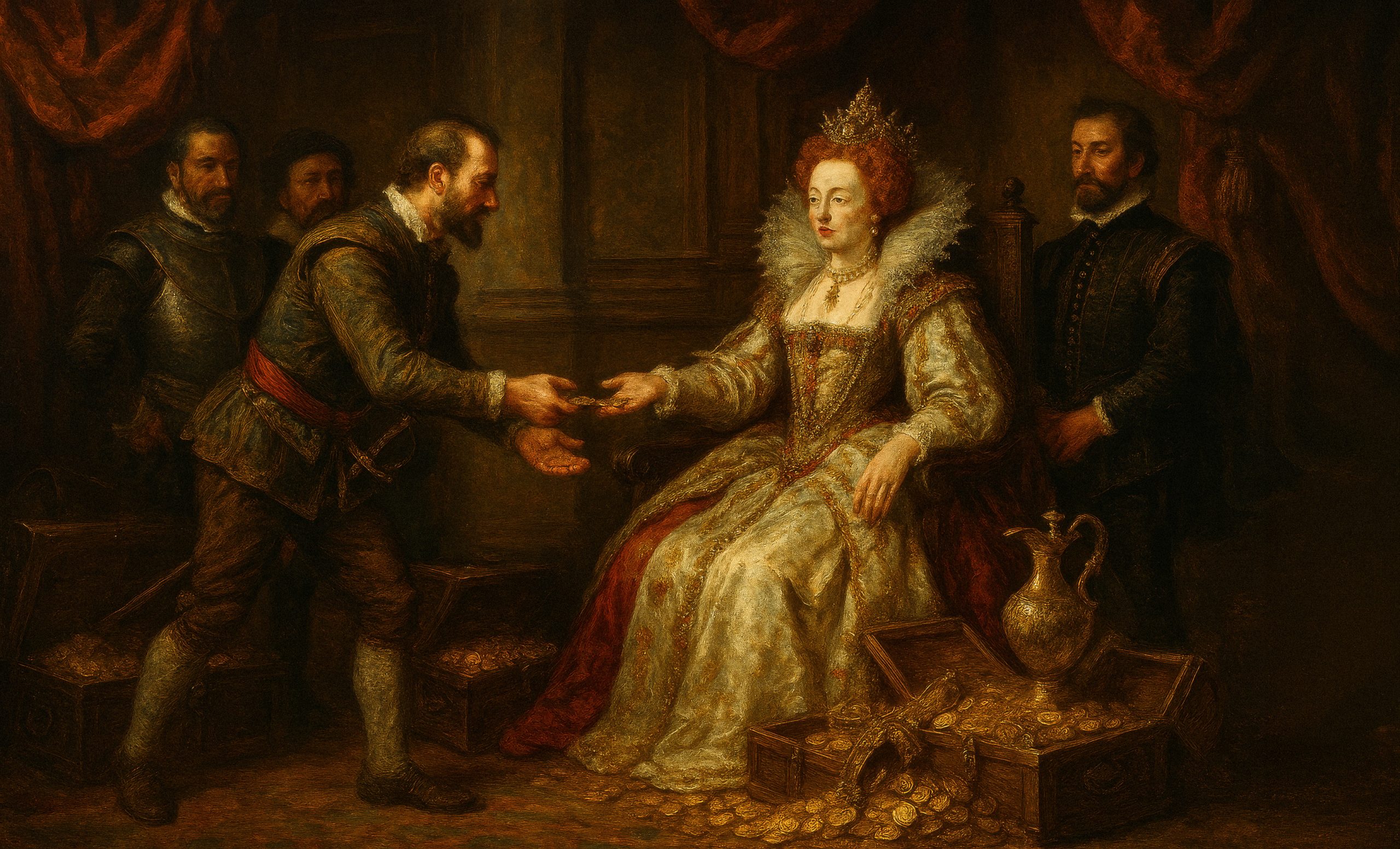
Sir Francis Drake presents his spoils to Queen Elizabeth I
Dividing the Plunder
So when a privateer seized an enemy ship, the captured wealth was divided according to a set hierarchy:
- The government who issued the letter of marque.
- The ship’s owners or investors.
- The captain received a larger cut for command.
- Finally, the remaining spoils were distributed among officers and crew by rank.
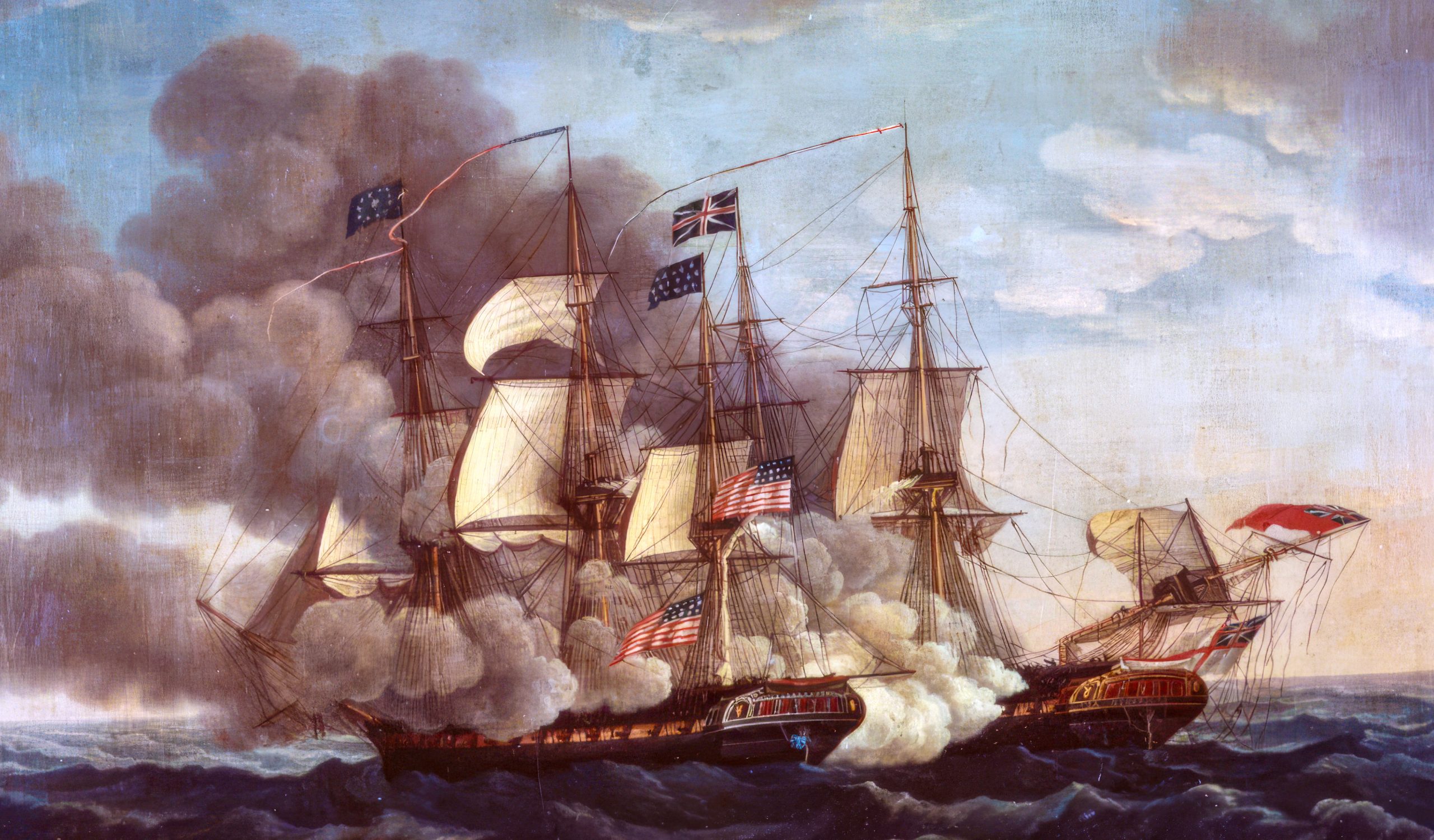
Action between USS Constitution and HMS Guerriere, 19 August 1812 by Michel Felice Corne
Rogue Freelancers
Privateers were rogue freelancers who sailed beyond the navy’s rigid chain of command, yet armed with official papers that turned their raids into celebrated acts of war, rather than crimes. Well, unless they lied about their status…
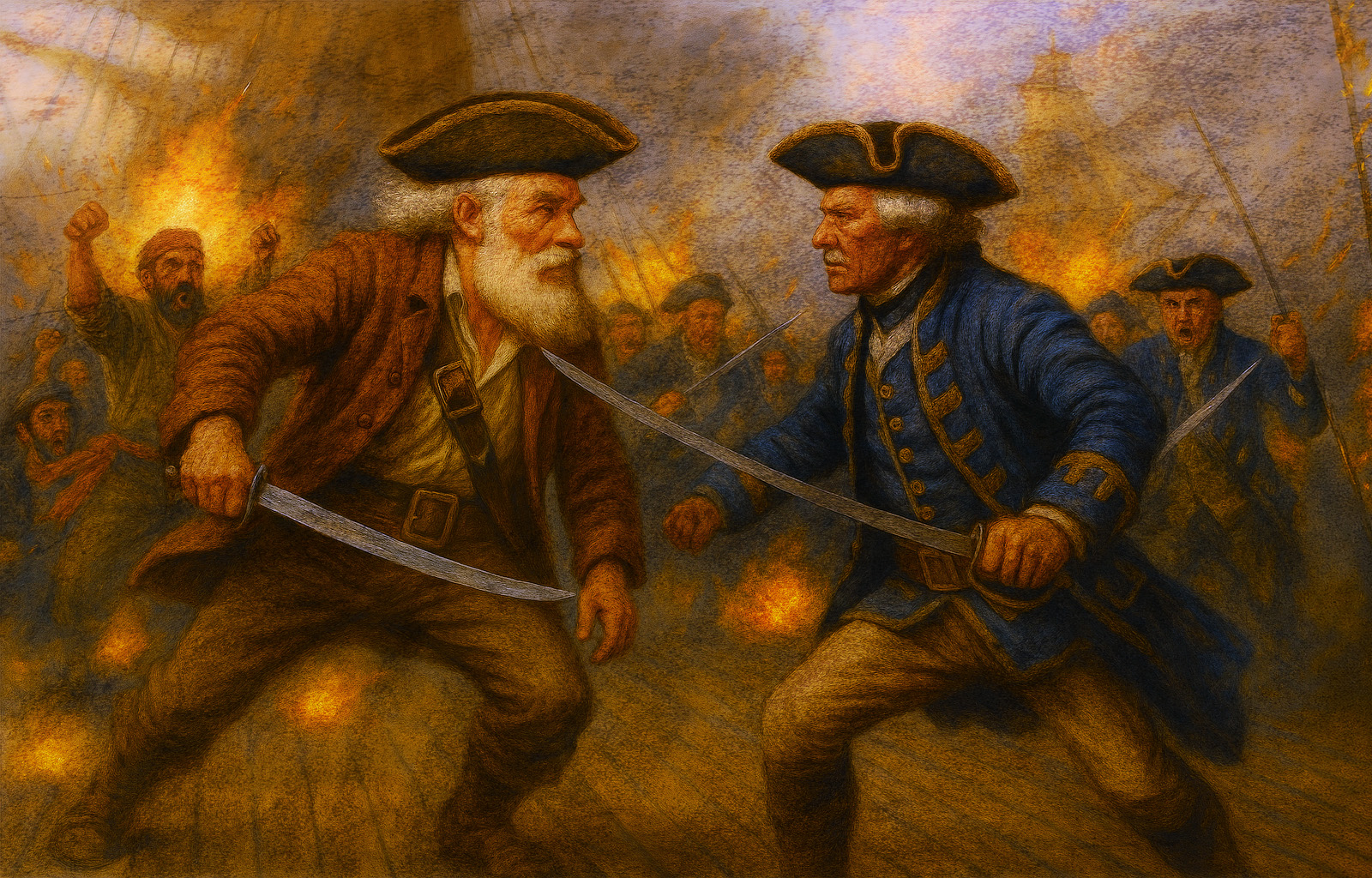
Benjamin Hornigold claimed to be a privateer but lacked a valid commission
They were often hailed as heroes for tormenting foes and later received a monarch’s blessing with rewards of wealth and nobility.
Famous Privateers from History
Here be some of the most widely recognised privateers what officially sailed under a letter of marque…
Francis Drake
Sir Francis Drake (c. 1540–1596) was an English privateer, navigator, and naval commander whose daring exploits helped establish England as a rising maritime power, and a painful thorn in Spain’s side.
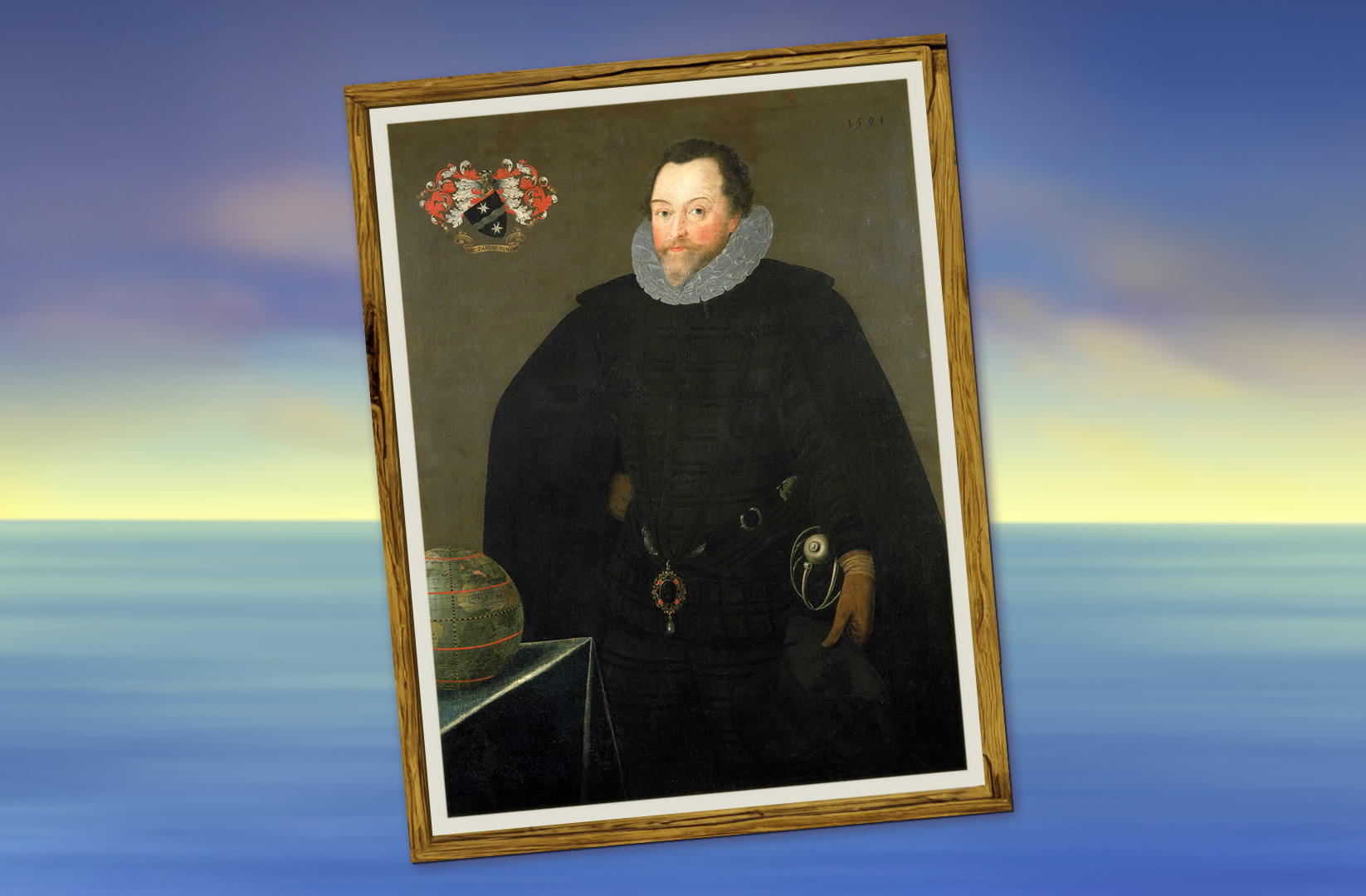
Sir Francis Drake portrait by Marcus Gheeraerts, 1591
Born in Tavistock, Devon, he rose from modest beginnings to become one of the era’s most feared captains, raiding Spanish ports and treasure fleets across the Caribbean — earning the nickname El Draque.
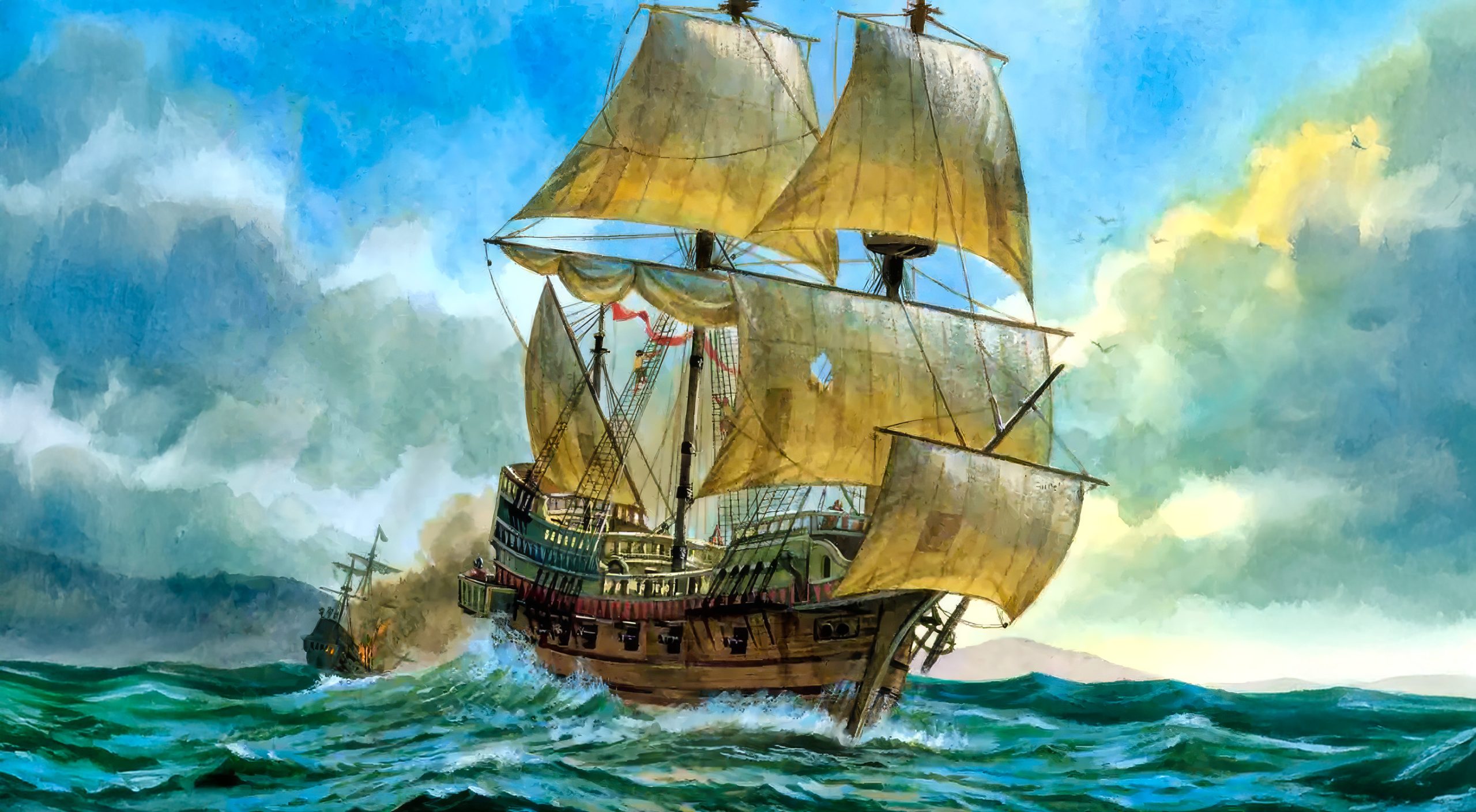
Drake’s ship, “Golden Hind“ by Patrick Obryen
He achieved lasting infamy by circumnavigating the globe between 1577 and 1580 aboard the Golden Hind, becoming the first Englishman to complete such a voyage and receiving a knighthood from Queen Elizabeth I for his success.
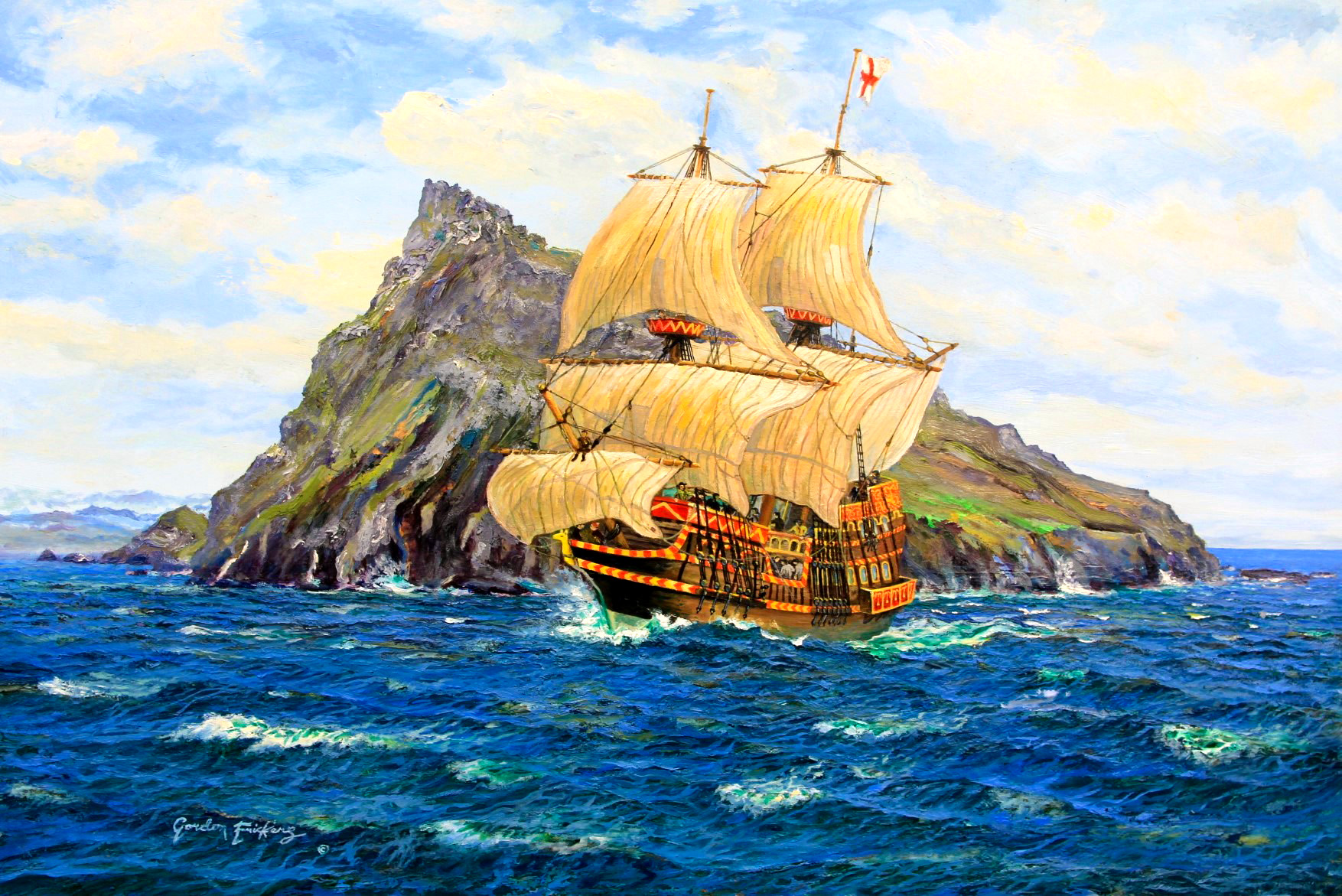
“Drake and The Utmost Island” by Gordon Fritters, 2024
Later, as vice admiral, he played a key role in England’s defeat of the Spanish Armada in 1588. Drake perished of dysentery in 1596 while on yet another expedition against Spanish holdings in the Americas.
Henry Morgan
Sir Henry Morgan (c. 1635–1688) was a Welsh privateer who rose to fame as one of the most formidable buccaneers of the 17th‑century!
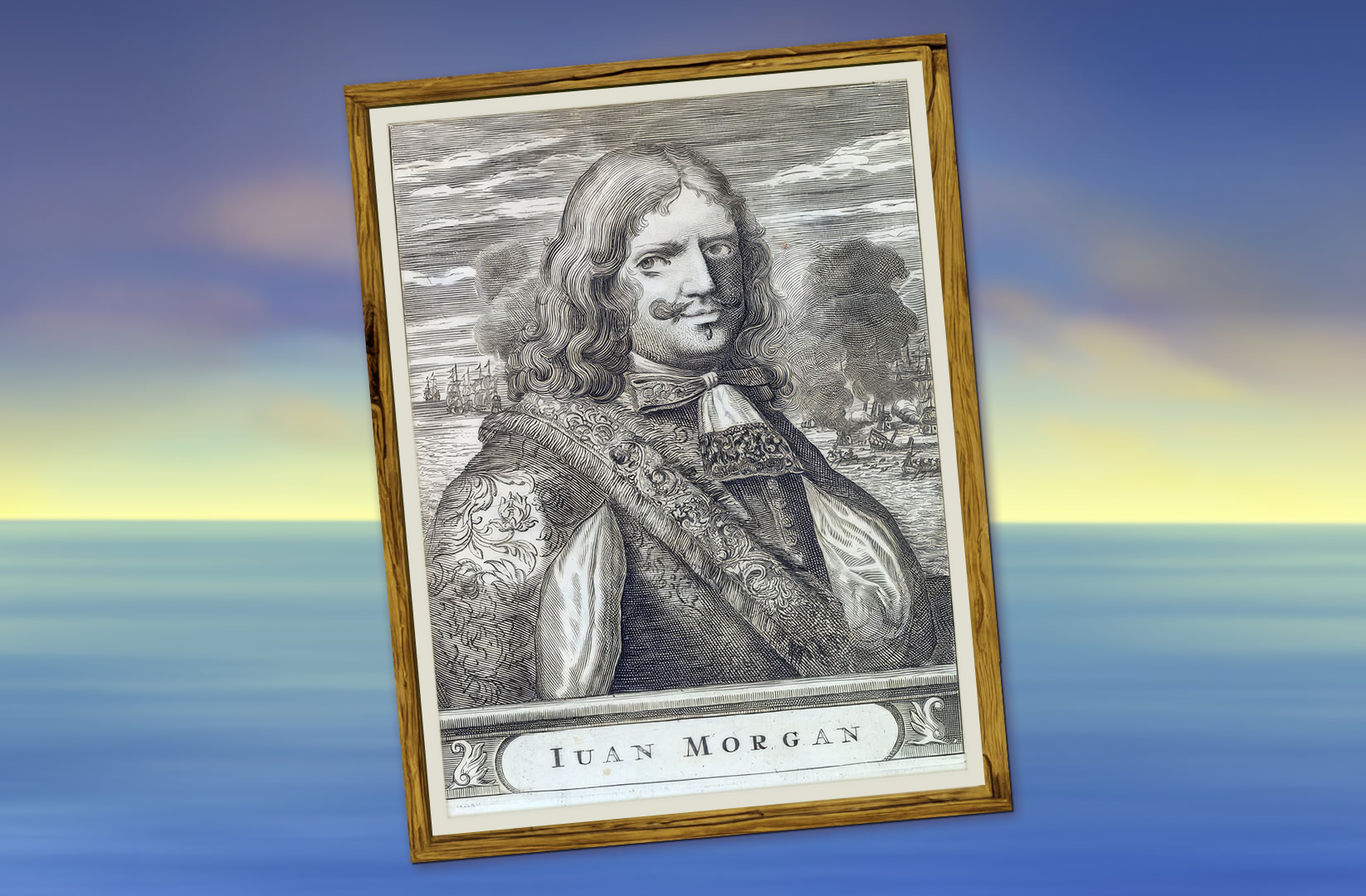
Henry Morgan portrait – “Piratas de la America“, 1681 by Alexandre Exquemelin
Launching audacious raids throughout the Caribbean on Spanish strongholds such as Portobelo, Maracaibo, and Panama while operating from Port Royal, Jamaica.
Often backed unofficially by the English Crown, Morgan played a pivotal role in undermining Spanish dominance in the region and amassed great wealth.
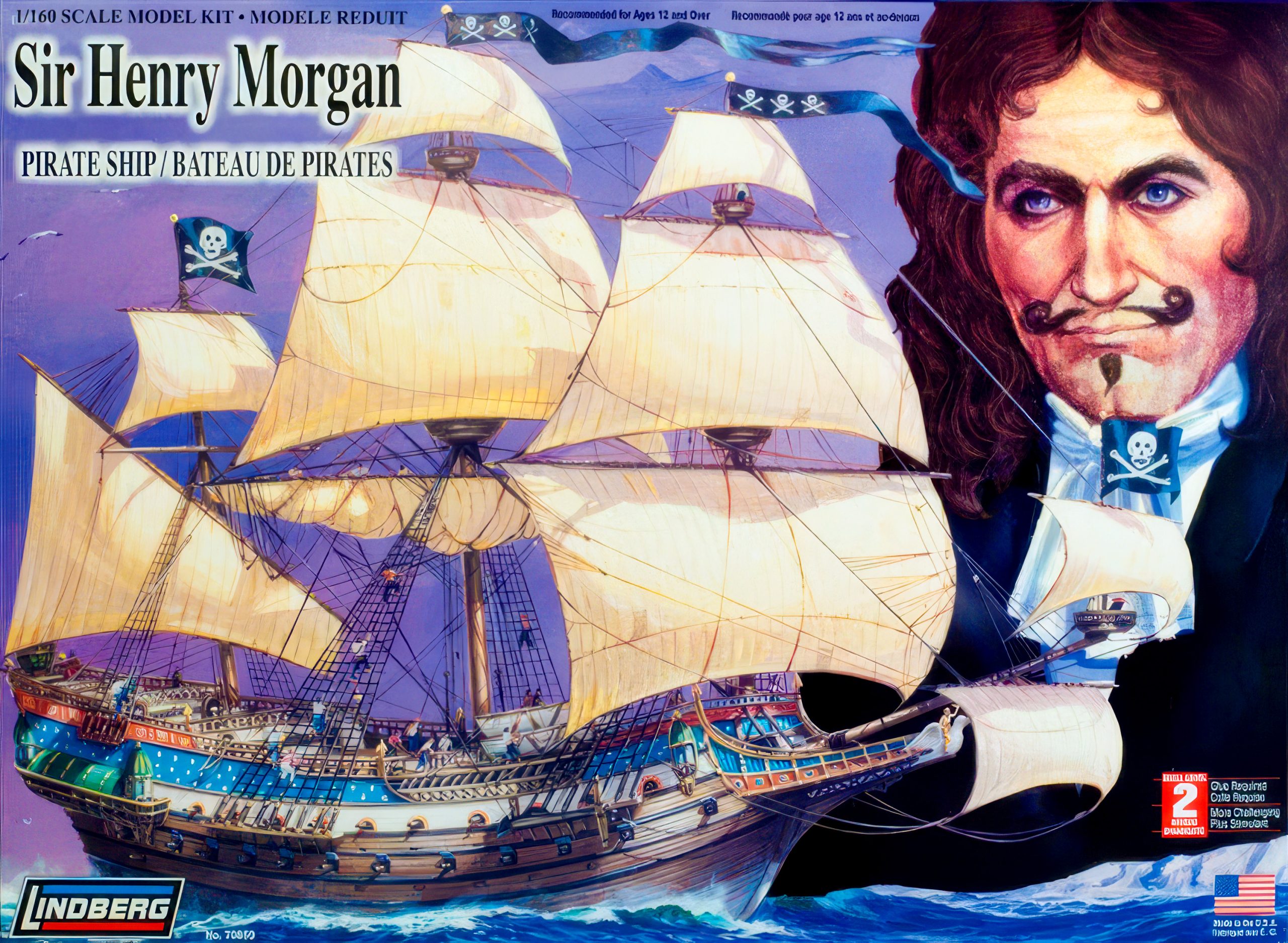
Build Henry Morgan’s ship – unfortunately not a LEGO set
Despite the brutality of his campaigns, Morgan’s military skill and political usefulness earned him a knighthood and the post of Lieutenant Governor of Jamaica, where he spent his later years until his death in 1688.
Jean Lafitte
Jean Lafitte (c. 1780–c. 1823) was a French-born pirate, privateer, and smuggler who operated across the Gulf of Mexico during the early 19th century, most famously from his base in Barataria Bay near New Orleans.
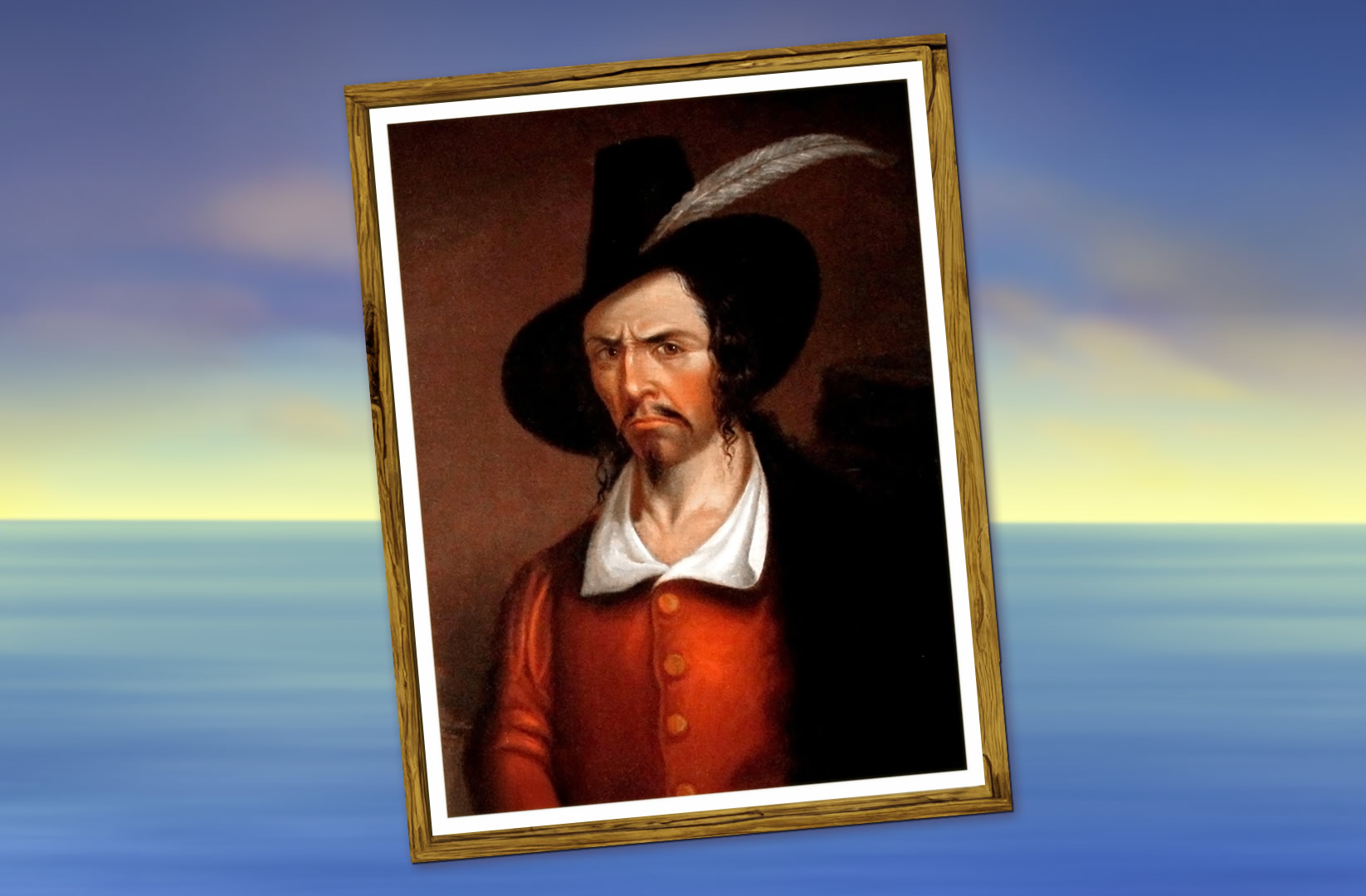
Portrait of Jean Lafitte
Alongside his brother Pierre, he built a thriving smuggling network that dealt in contraband goods and enslaved people, while simultaneously cultivating political influence in Louisiana.
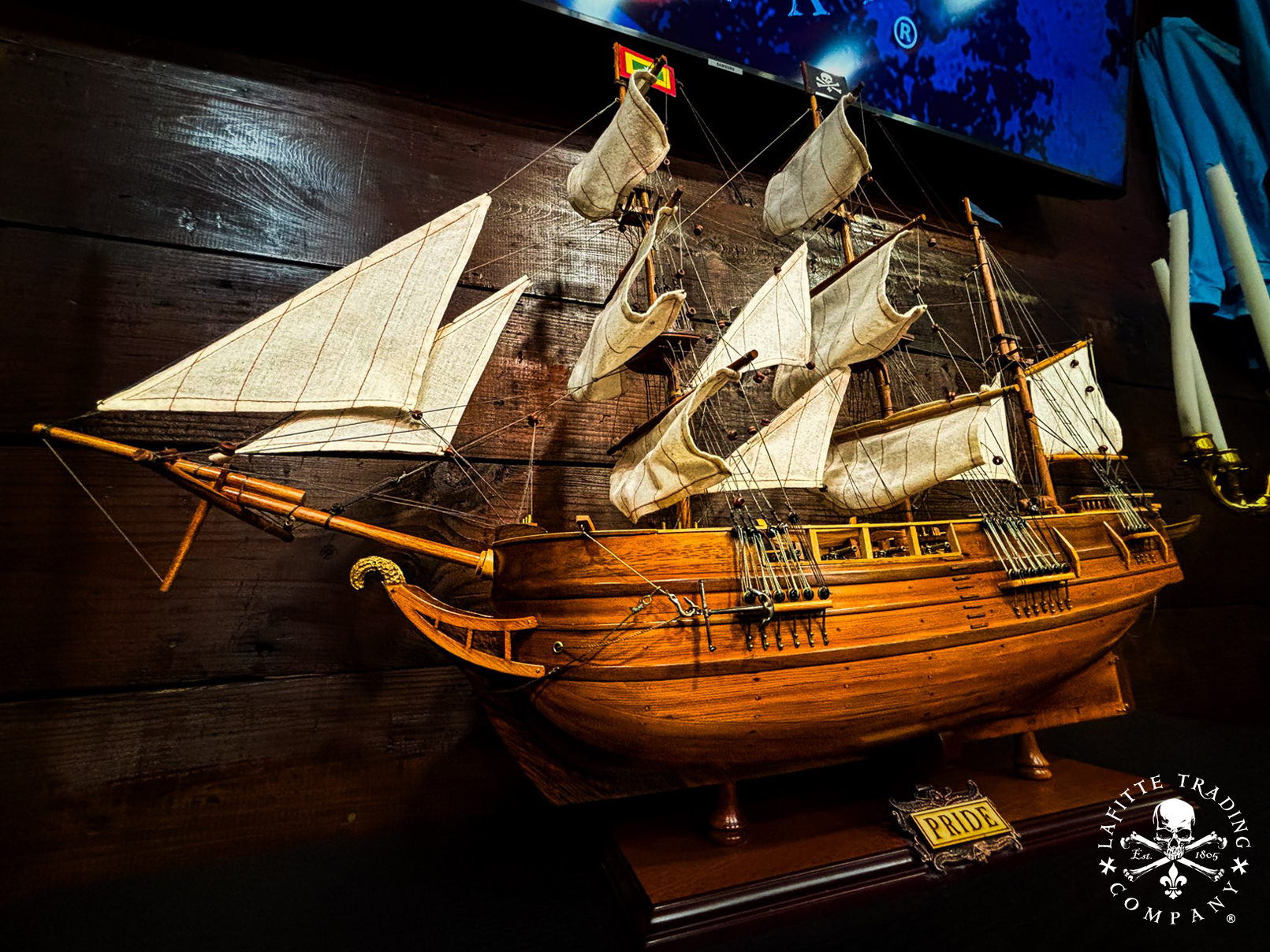
Model of Lafitte’s ship, The Pride – 📸 Jean Lafitte Trading Company
Despite being hunted by United States authorities, Lafitte became an unlikely hero during the War of 1812, aiding General Andrew Jackson in the defense of New Orleans and earning a presidential pardon for his service.
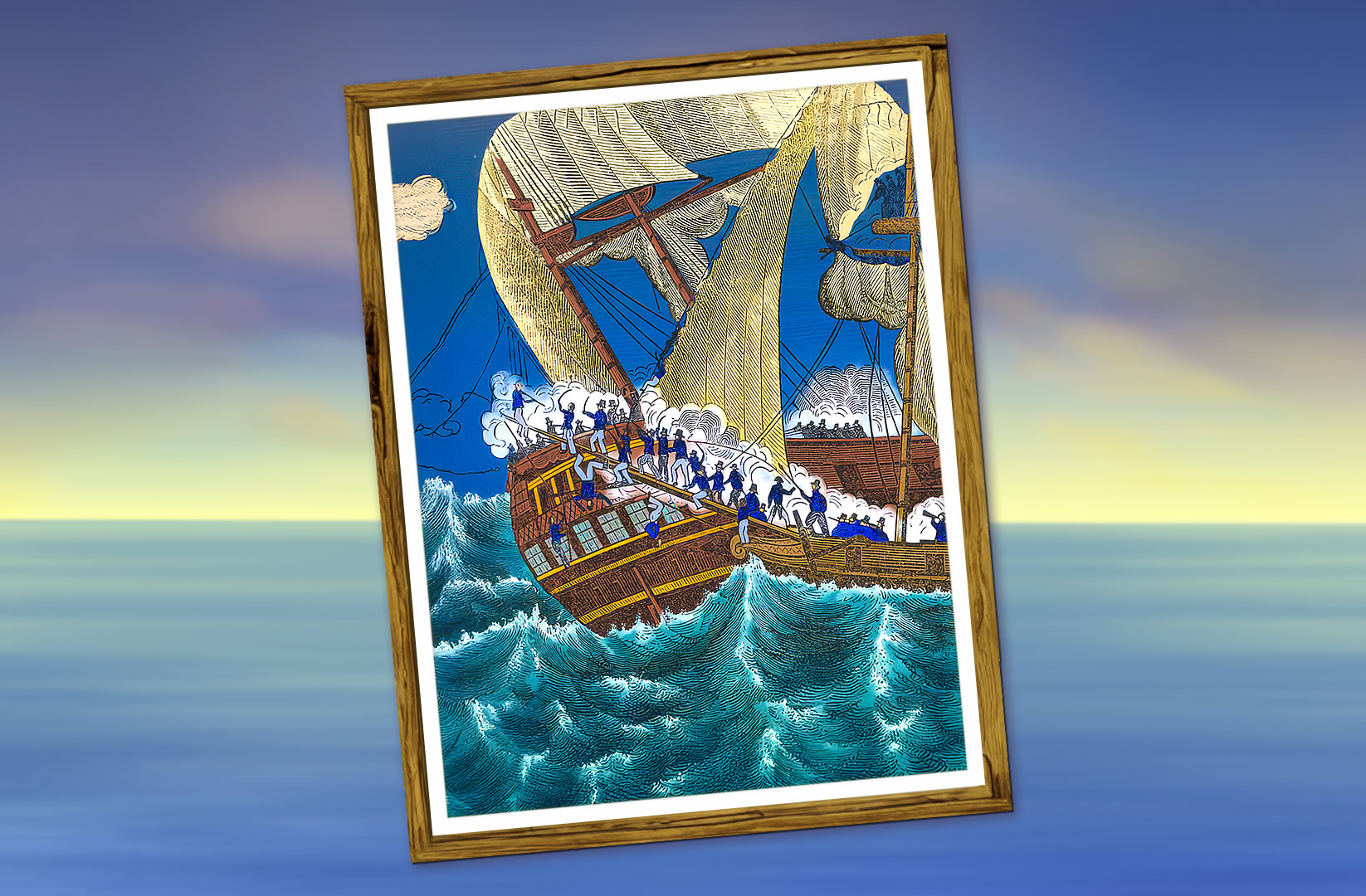
Jean Lafitte approaches the Queen East ship. Engraving from “The pirate’s own book”, 1837
After the war, he returned to piracy from Galveston Island before vanishing into the depths of pirate legend… his fate remains unknown but some claim he saved Napoleon Bonaparte.
Kate Sloper
Catherine “Kate” Sloper (c. 1704–c.1712) was an early‑18th‑century Englishwoman who stands out as one of the very few women known to have received a privateering commission in her own name.
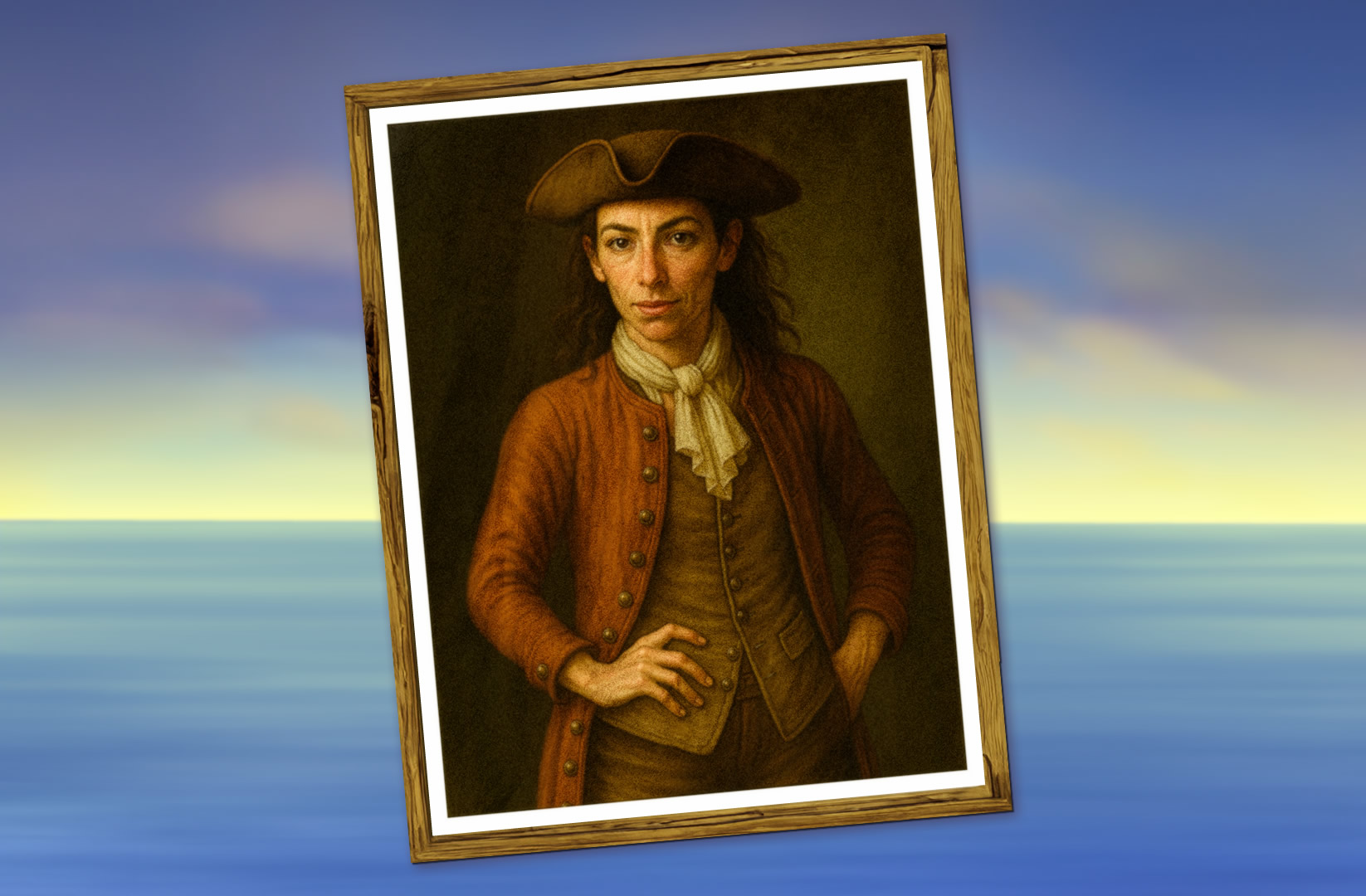
Portrait of Catherine Sloper
Operating during the War of the Spanish Succession, she petitioned the Admiralty for the right to outfit a vessel targeting French shipping—a request that was unusually granted, likely due to her financial backing, maritime connections, and the Crown’s appetite for aggressive privateering.
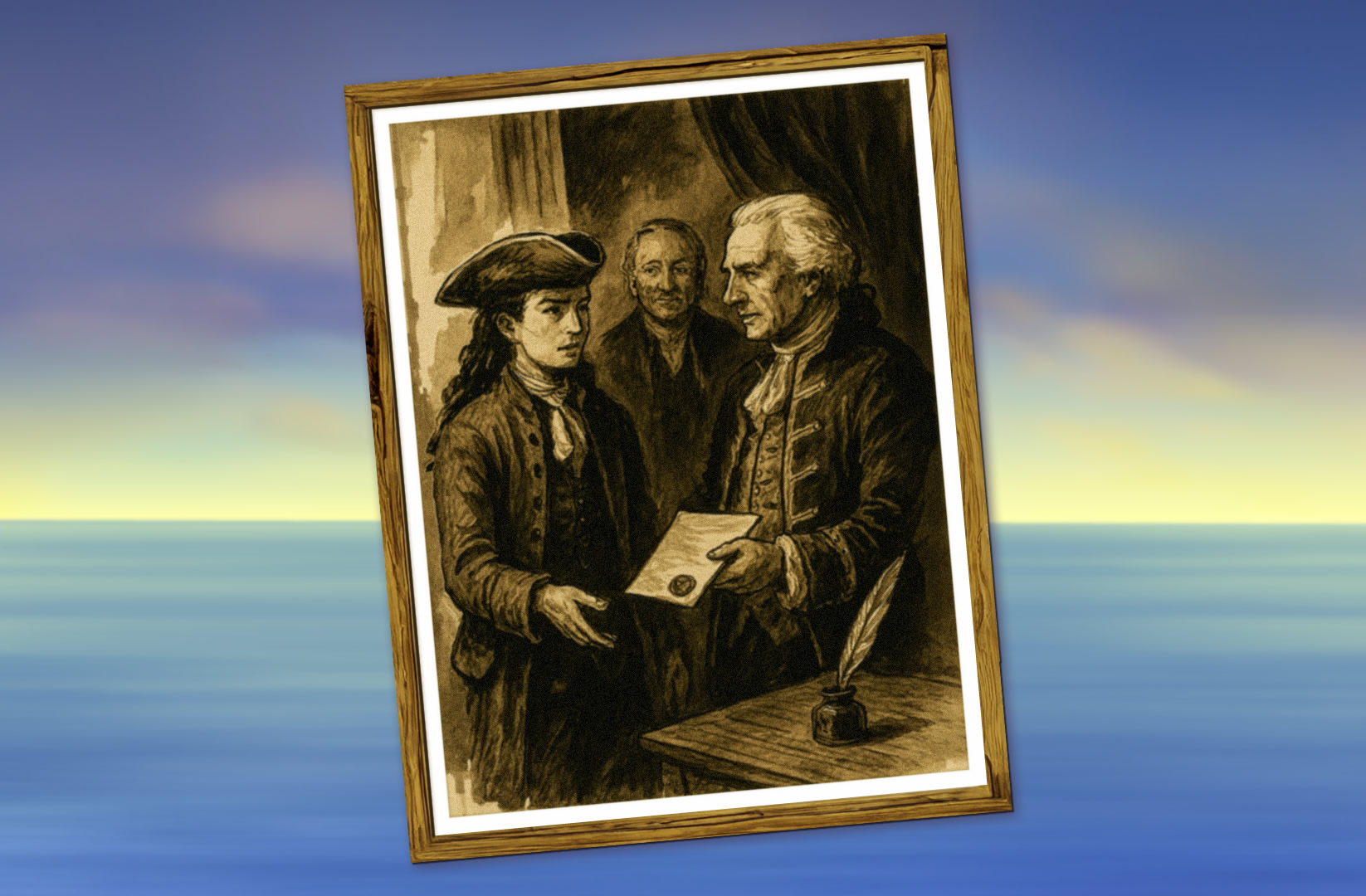
Ink depiction of Catherine Sloper receiving a Letter of Marque
Her name appears in the Admiralty Prize Papers, marking her as a rare example of a woman formally empowered to wage economic warfare at sea. While little survives about her personal life or the operational details of her campaign.
William Kidd
William Kidd (c. 1645–1701), better known as Captain Kidd, was a Scottish sailor who became infamous as both a privateer and pirate during the late 17th century.
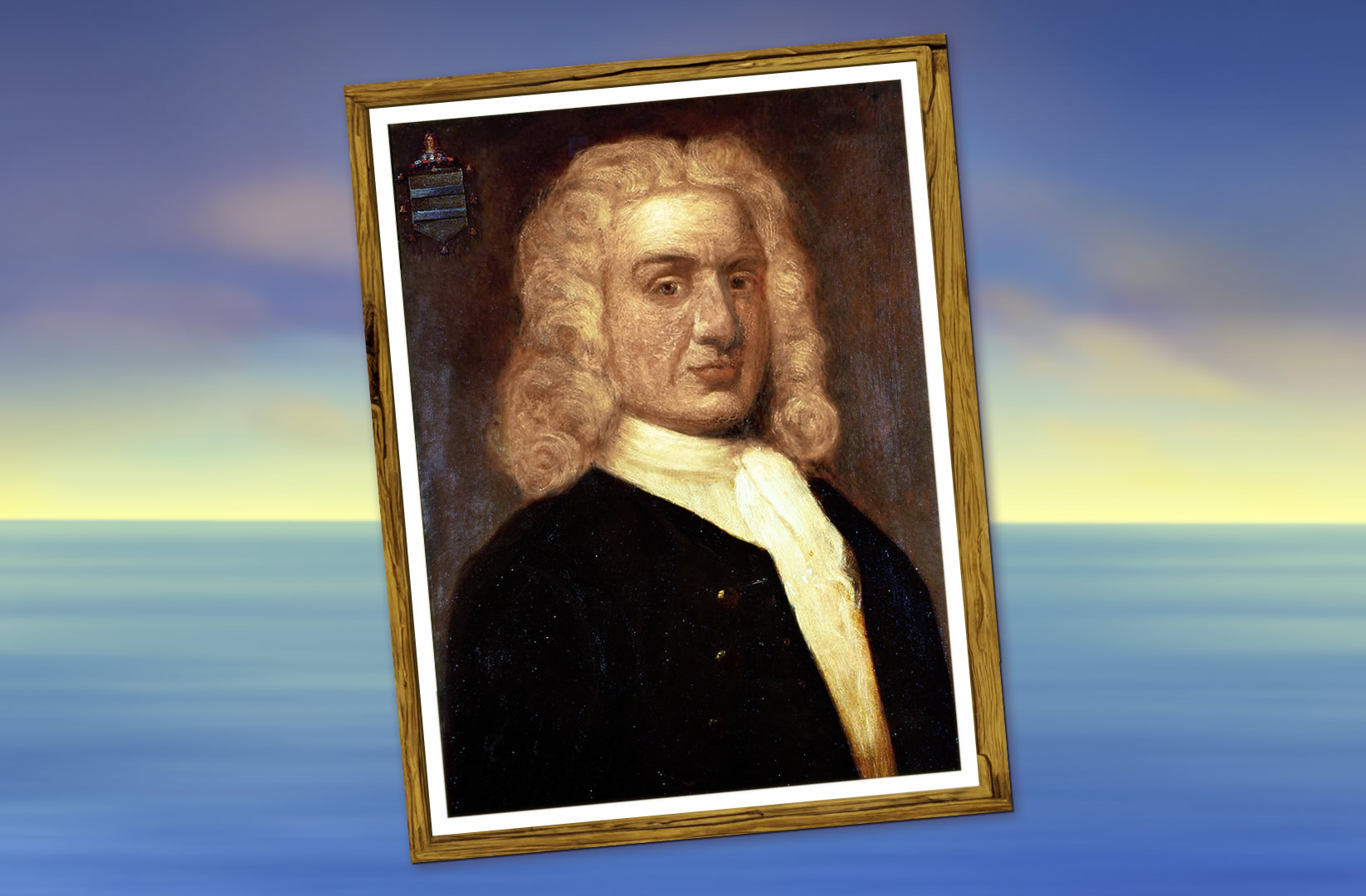
Portrait of William Kidd by James Thornhill
Initially commissioned by the English Crown to protect shipping lanes and hunt pirates in the Indian Ocean, Kidd’s mission blurred into piracy when he attacked vessels outside his legal remit, most notably the Quedagh Merchant.
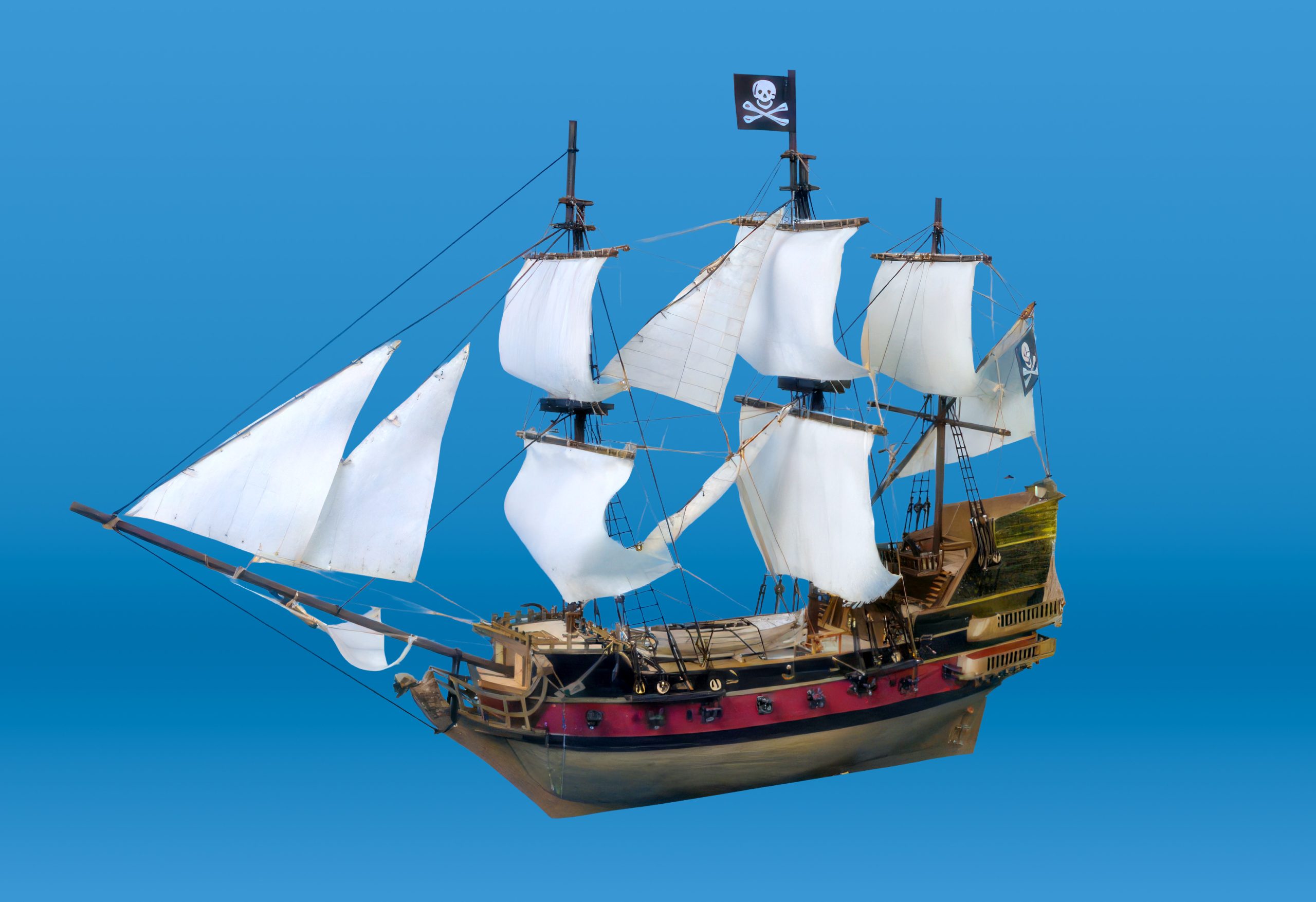
Model of William Kidd’s ship, Adventure Galley – 📸 Hampton Nautical
His actions sparked scandal in England, where he was accused of betraying his commission. Captured and brought to London, Kidd was tried for piracy and murder, found guilty, and hanged in 1701.
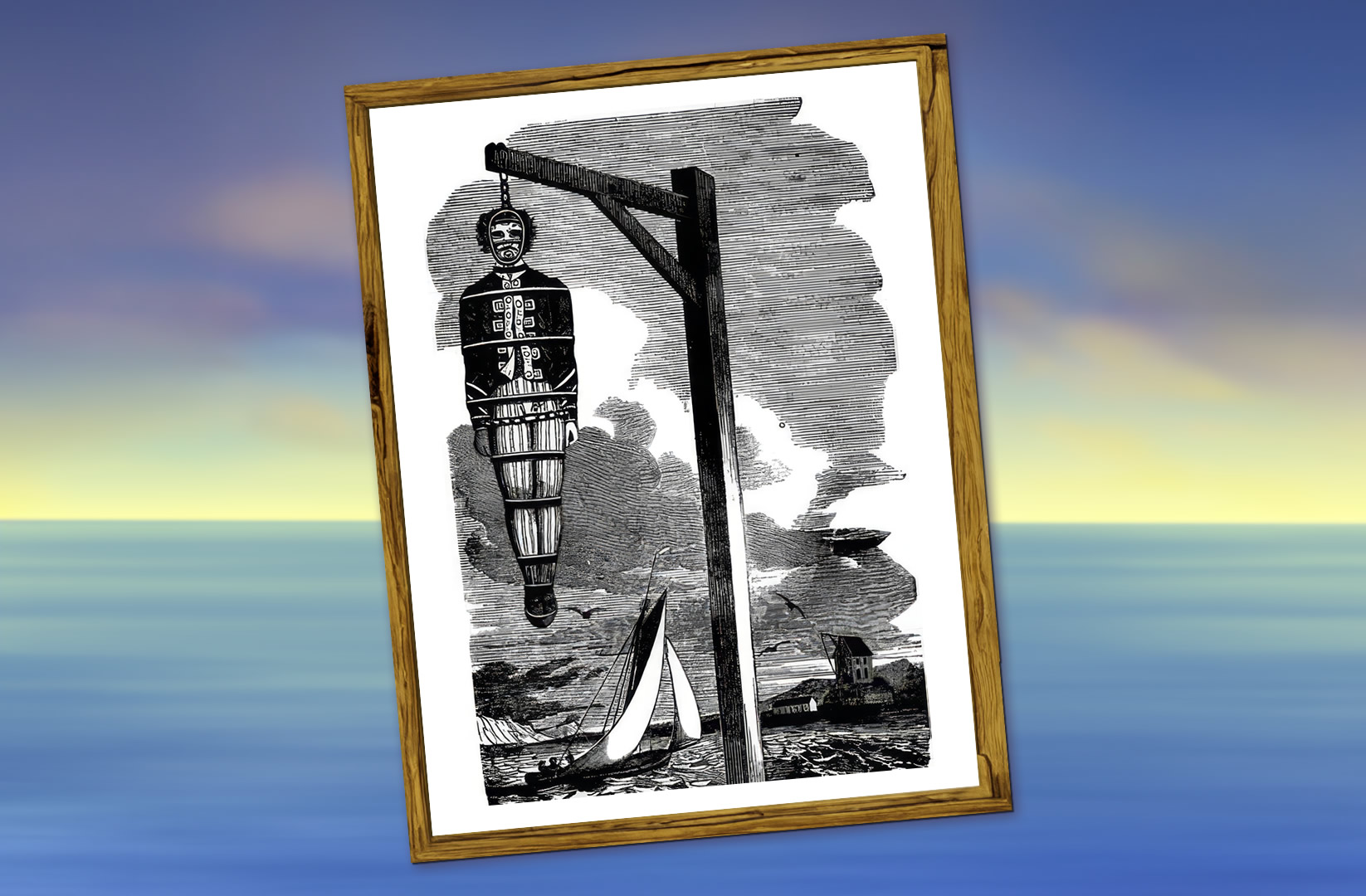
Woodcut print of William Kidd’s hanging
His legacy endures in maritime folklore and the romanticized image of a pirate who straddled the line between legitimacy and lawlessness.
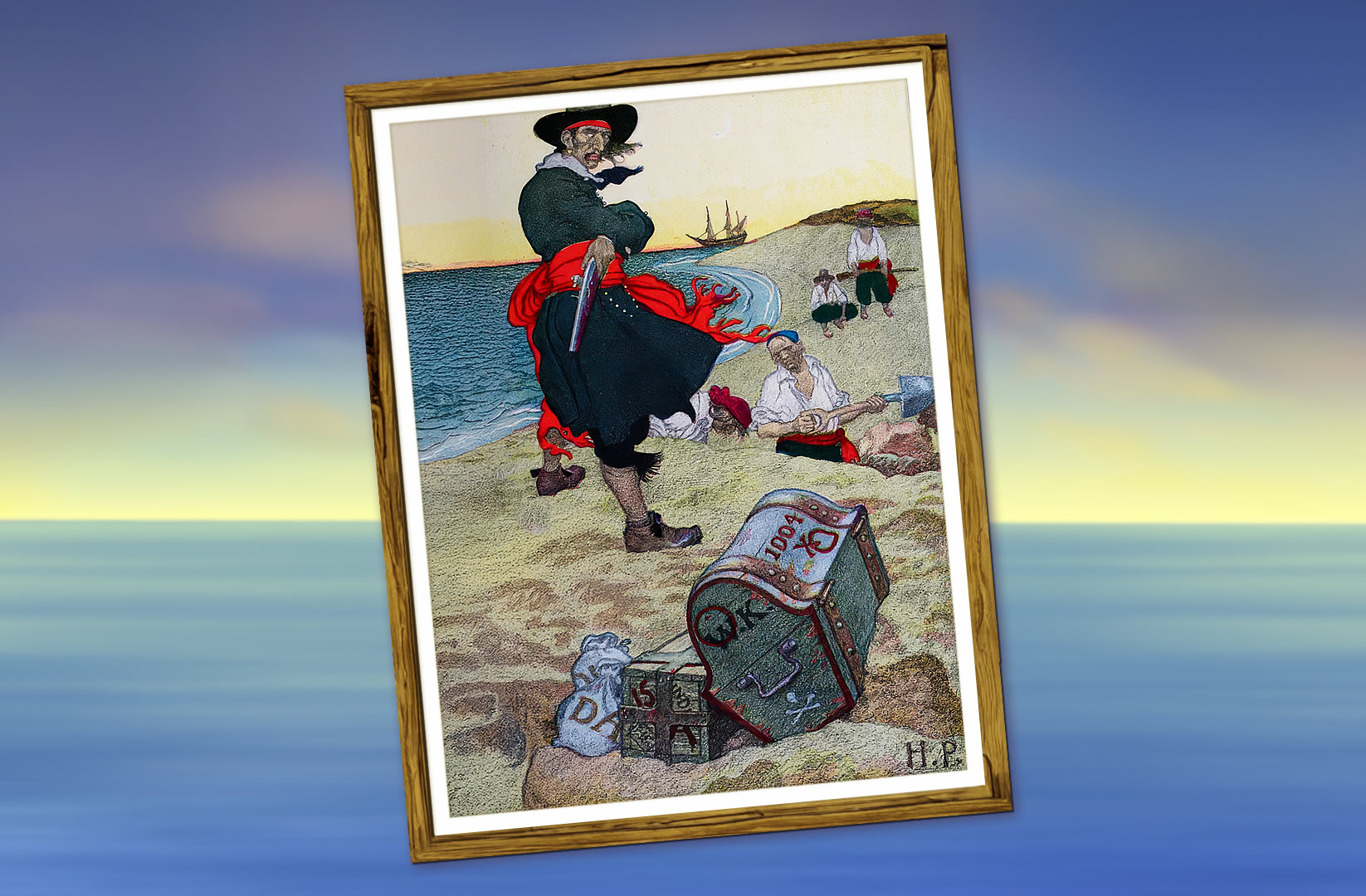
Captain William Kidd Burying Treasure by Howard Pyle
Immortalised as the only pirate officially documented to bury treasure. After his capture in 1699, Kidd reportedly inhumed part of his loot, including gold, silver, and jewels, on Gardiners Island off Long Island, New York.
Them What Blurs The Line
This article grew so mighty long twas trimmed to only include privateers with a historical record of receiving a letter of marque.
As for the likes of old Benjamin Hornigold, without a true letter of marque and a mandate from Woodes Rogers to hunt pirates, he didn’t make the cut.
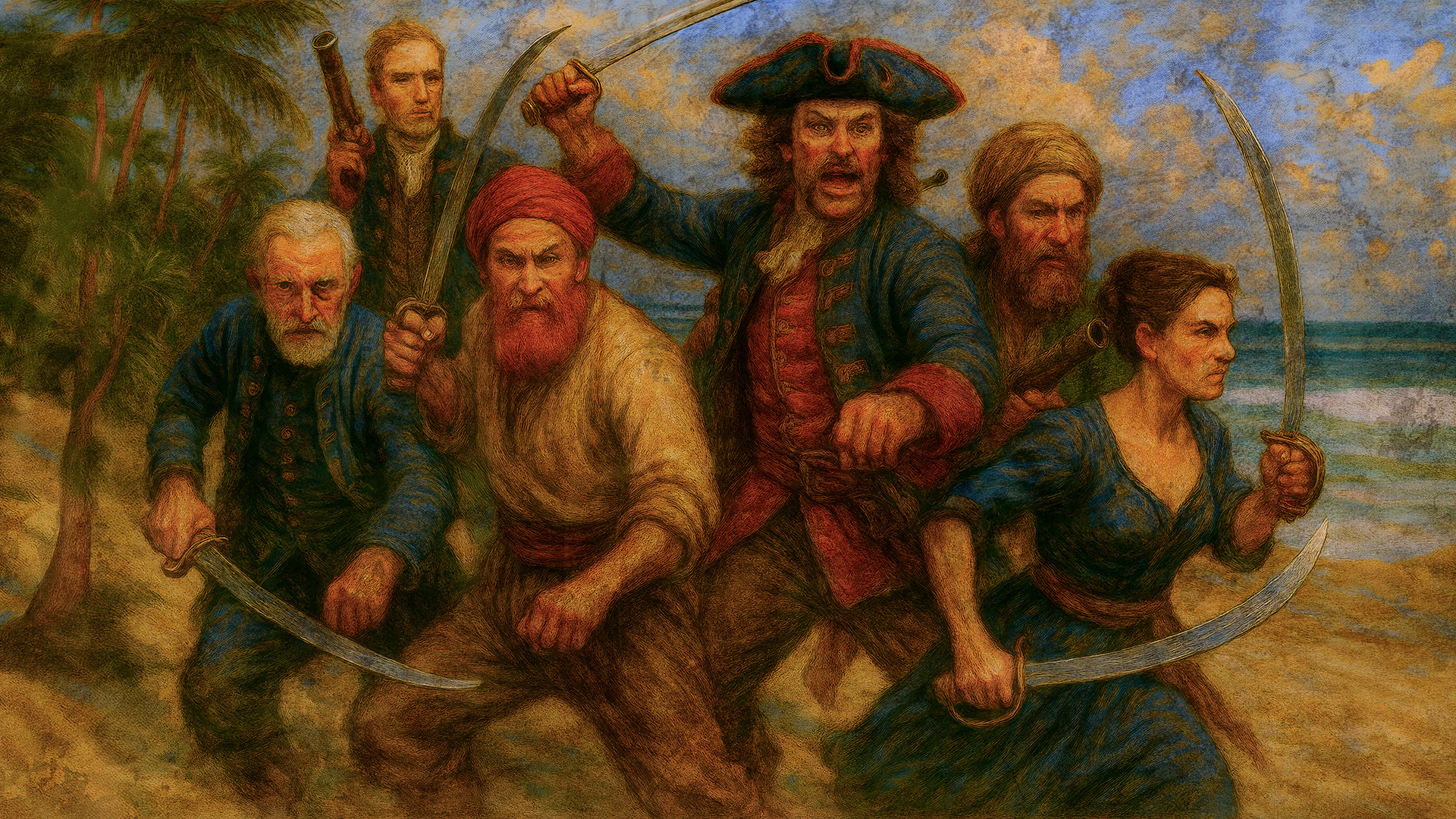
This motley crew behaved like privateers
Biographies were also scribed for the Victual Brothers, Thomas Cochrane, Grace O’Malley, and the Barbossa Brothers, but all had to be excised to reduce length!
Privateer Frigate Fortuna
Don’t miss yer opportunity to own this brand new LEGO Pirates set with extremely limited availability! Only 30,000 will be available.
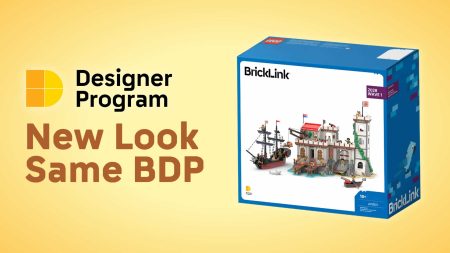
Crowdfunding for the very first LEGO Pirates themed BrickLink Designer ship, Privateer Frigate Fortuna commence upon 16 February, 2026 at 8AM and concludes February 23rd, 2026 at 12PM Pacific time.
Own LEGO Privateers
910059 Privateer Frigate Fortuna could be yours!
910059 Privateer Frigate Fortuna – Pre-Orders have BEGUN! [OFFICIAL]
What Do Yer Think?
Are the Unpredictable Privateers a welcome addition to yer LEGO Pirates collection?
The countdown to 16 February has almost ended… Are ye prepared?
Share yer thoughts in the Classic Pirates Facebook Group.